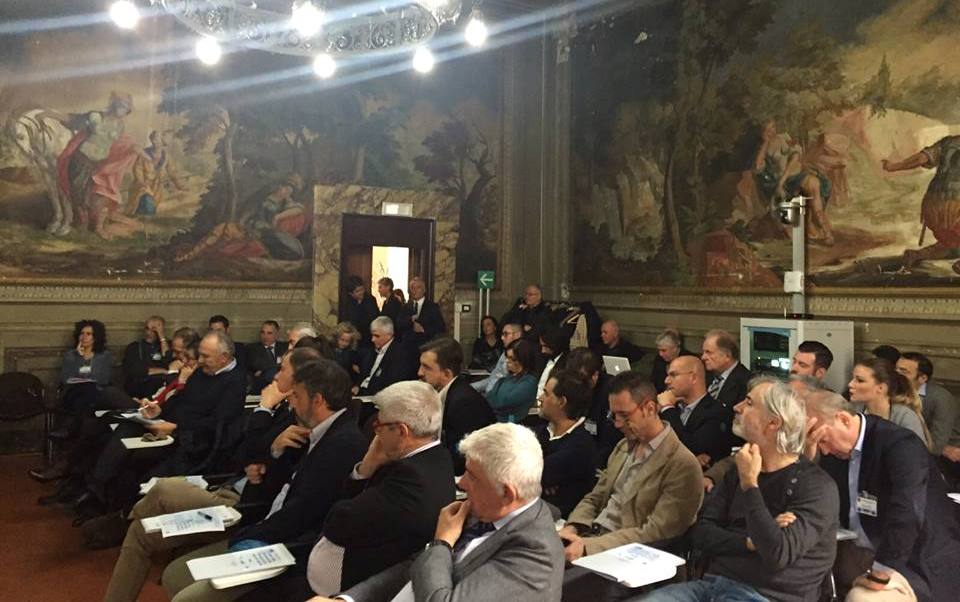
The results of a survey carried out by Ambiente Italia regarding the use of disposable tablecloths and napkins are published in this issue of Detergo. The results were made public at a recent meeting in Florence organized by Consorzio Lavanderie Toscane, Confesercenti and Assosistema, whose managing director invited the authorities to take political action because of the figures. Also because restaurant owners are protesting against taxes that do consider the positive aspects of table linen at all.
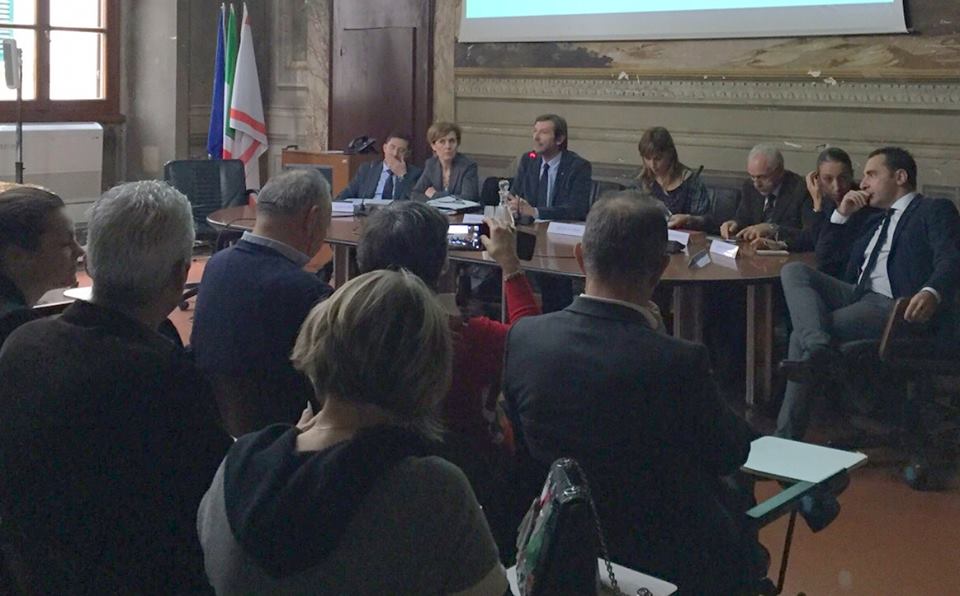
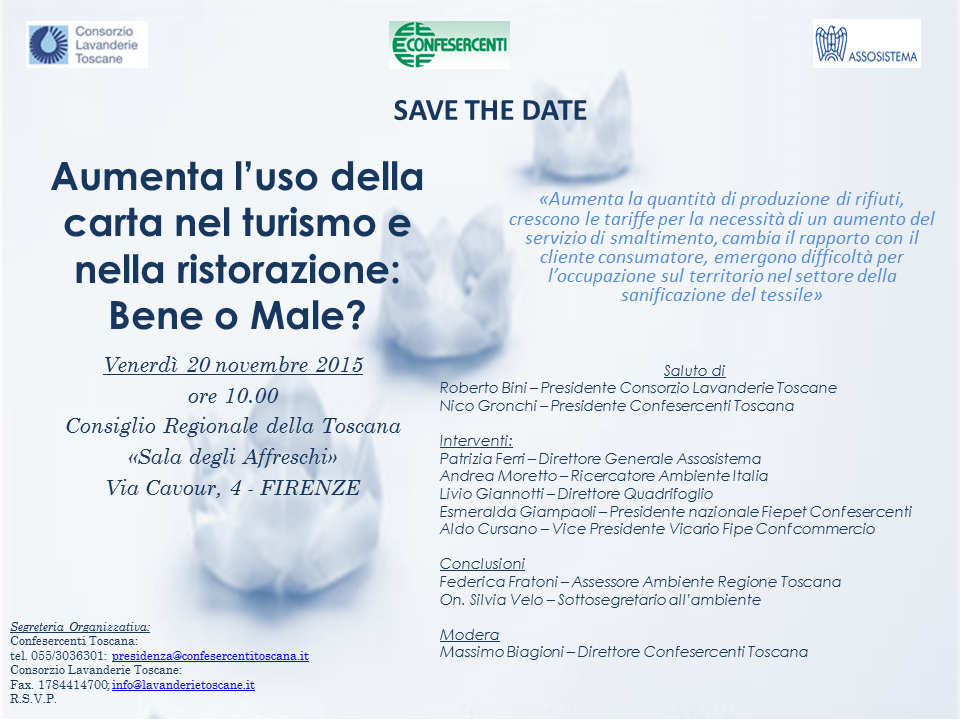 The Florence conference on “Is more paper in the tourist industry and restaurants a good or a bad thing?”, in the fresco room of the Regional Council organized by Consorzio Lavanderie Toscane, Confesercenti and Assosistema generated some interesting results.
And they were concrete results too because of what was said and the figures that were presented.
Even if the figures, which are always at the center of every discussion, do not always reflect the real situation. The conference revolved around a long and detailed report on the results of an “LCA comparative survey on the use of table linen versus paper tablecloths and napkins in restaurants and hotels”, carried out by the authoritative consulting company Ambiente Italia, for Consorzio Lavanderie Toscane. The acronym LCA stands for “Life Cycle Assessment”.
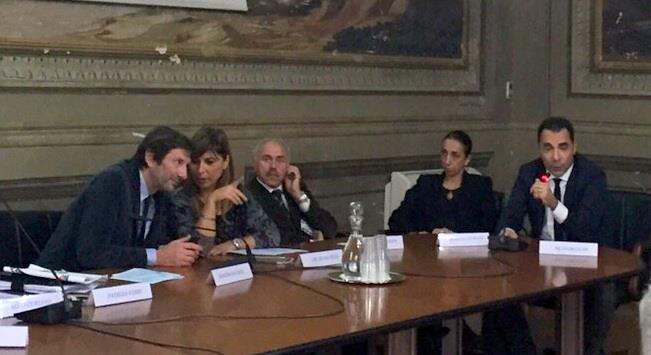 Given the importance of the survey, which was carried out by the researcher Andrea Moretto, and presented to the public by his colleague Orsola Bolognani, Detergo has decided to publish the full report in the following pages of this issue as well as on its website. Briefly however, a fact that stands out is the surprising advantages of using textiles over disposable paper due to the impact of the latter on the environment.
If the lifespan of table linen, which is 94 washes, is compared to the environmental impact of 94 disposable tablecloths and napkins, fabric outperforms paper for all the aspects that were considered. Benefits were found in terms of renewable and non-renewable resources, water consumption, global warming, ozone layer depletion, acidification, eutrophication, hazardous and non-hazardous waste.
 Obviously, based on such irrefutable figures, the speeches during the conference were very strong and offered food for thought. The message was immediately conveyed by Patrizia Ferri, secretary general of Assosistema, stating that: “With these figures and especially in order to safeguard the environment, the government needs to adopt a well-defined economic policy and strategy where the significant role played by the Italian tourist industry for domestic demand should be reconsidered”. Speaking on this matter was Assosistema whose revenues – according to the figures that were presented in Florence – amount to 4,200 million Euros per year, with 35,000 employees, 93% on permanent contracts and 65% of whom are women, with an average of 25 employees per company, making it the fifth industrial sector according to ISTAT figures. A sector with 2 million consumers a day for the products and services that are offered by the Assosistema member companies.
 “During the recession, these companies – Patrizia Ferri pointed out – implemented a radical change in the company model. One of the fundamental changes involved energy and had positive spinoffs on the environment. Compared to 10 years ago, our companies use 30% less gas, 30% less electricity and 60% less water”.
Considering the fact that these companies treat and supply textiles to the main economic sectors in our country such as the health and tourist sectors, this is something that the government is required to take account of. We at Detergo, as the promoters of the “Notice the difference?” campaign for Assofornitori and EXPOdetergo in support of using table linen in hotels and restaurants, are fully aware of this. A virtuous yet expensive decision that needs compensation and incentives in order to make table linen, instead of the much more practical and cheaper disposable “paper”, more and appropriate.
 Given this situation, research is truly important for Consorzio Lavanderie Toscane, as its CEO Roberto Bini pointed out, with the full support of Confesercenti, the association that was represented in Florence with a brief speech by its regional CEO Nico Gronchi.
Also contributing to the success of the conference were important speeches by representatives from the trade. Starting with Livio Giannotti, who runs Quadrifoglio, a company that provides waste disposal services in Florence. “As far as restaurants are concerned –Giannotti explained – we are talking about 1,743 restaurants that use 40 million tablecloths and napkins each year and divided into three types: fabric, paper, mixed. The annual quantity is 2,333 tons of table linen, and 1,911 tons of paper table covers and napkins, and if we consider waste, the latter account for 50% of waste disposal expenses. These are the very figures that make this survey truly important”.
Last, two speeches by restaurant owners. Esmeralda Giampaoli, the newly-elected regional president of restaurant and hotel owners (Fiepet), said: “It’s a good thing to reconvert together in order to generate economic spinoffs for our business. However, it is important to point out that this is not just a matter of fees, but of staff as well, because washing table linen is something very specific that should be done daily by someone who can offer a reliable service, while also doing other things. This is demanding for companies with a very high turnover, where planning therefore becomes very difficult”.
 “On a final note –Esmeralda Giampaoli ended – we have to deal with cultures and eating habits that differ from ours. When customers are foreigners and practically use only disposable tablecloths in their country, they turn up their nose when they see a charge for table linen”.
A very important, much-appreciated closing speech came from restaurant owner Aldo Borsano, whose menu and service offer the finest Made in Italy, tradition. “Resources, recycling and savings – Borsano pointed out – must be environmentally sustainable not unsustainable. At the moment there is no difference between the fee charged for disposable table covers in a tiny fast food eatery and the table linen used by leading businesses which are also paying for businesses that are a far greater burden on environmental sustainability. The 18,000 Euros in environmental taxes I pay each year is equal to hiring two apprentices”.
“Long life to the Italian Style – said Borsano provocatively – or the alternative is fast food”. He received a roaring applause, because everyone agreed. But this very conference at Florence is a reminder that actions speak louder than words.
Detergo Magazine December 2015
by Stefano Ferrio