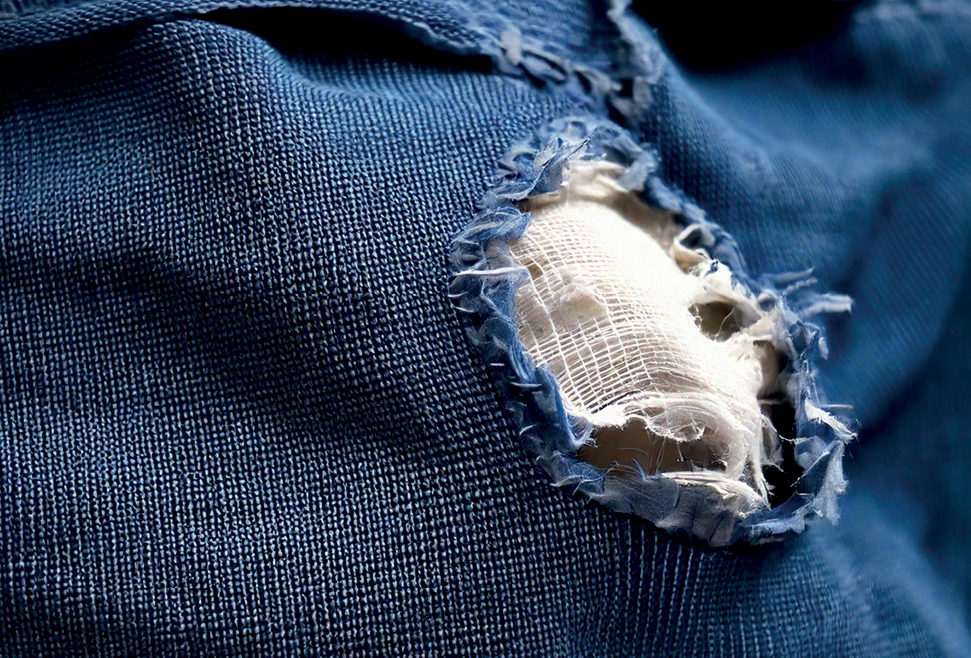
Let’s start with some factors that influence the ironing quality, which are essentially four, and that do not behave equally when ironing on vacuum and blowing ironing tables equipped with an iron.
• Heat (depending on the necessary temperature required for the fibres). It is the most important factor and is provided by thermal conduction given by the iron and the steam.
• Humidity (provided by steam or by spraying water). It is the most important element. Without steam there are certain quality limits regarding the ironing results that cannot be exceeded.
• Pressure it is the result of the force applied to the iron and basically a less important element.
• Sudden fabric temperature drop – after fixing the pleats. The quicker it happens, the more efficient it is (for example through the vacuum function of the ironing table).
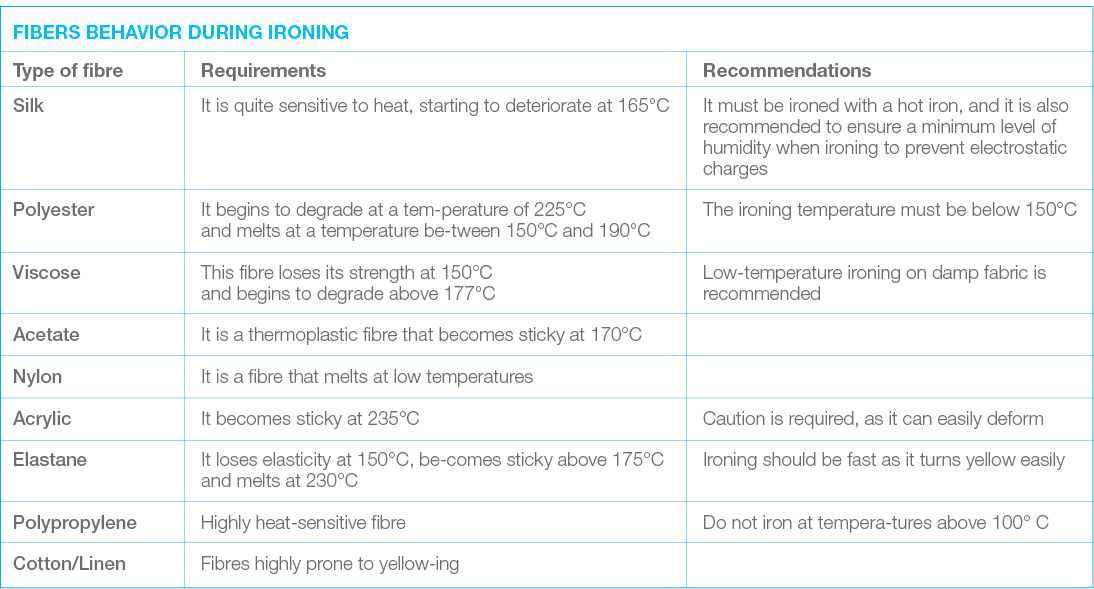
The European standard UNI EN 23758 on labelling
Textile care labelling refers to the European regulation governing the labelling on textile products, that is providing the necessary care instructions to the consumer, indicated by universal symbols easily understandable for any language.
The iron symbolizes the information related to home ironing treatment. The temperature levels in the table below are indicated with 1, 2, or 3 dots inside the iron symbol.

Publication No. 311 of the Electrotechnical Commission (CEI) establishes the meth-ods for controlling the temperature of the iron’s soleplate.
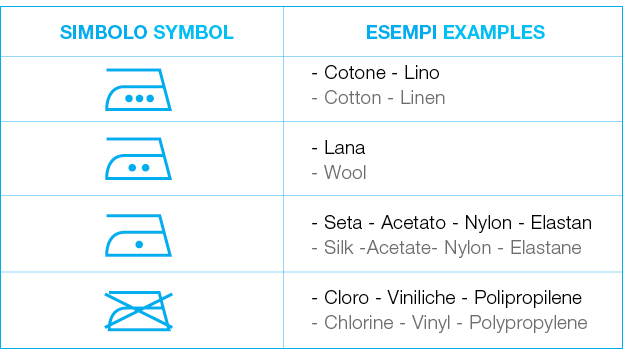
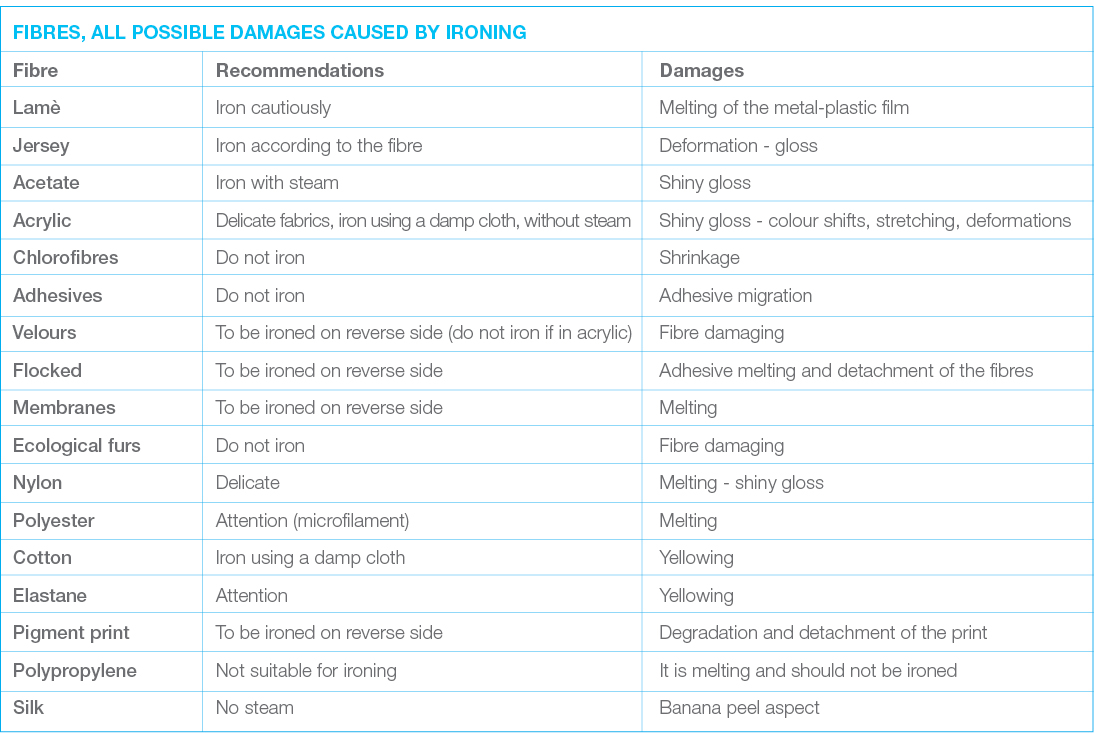
Most frequent faults
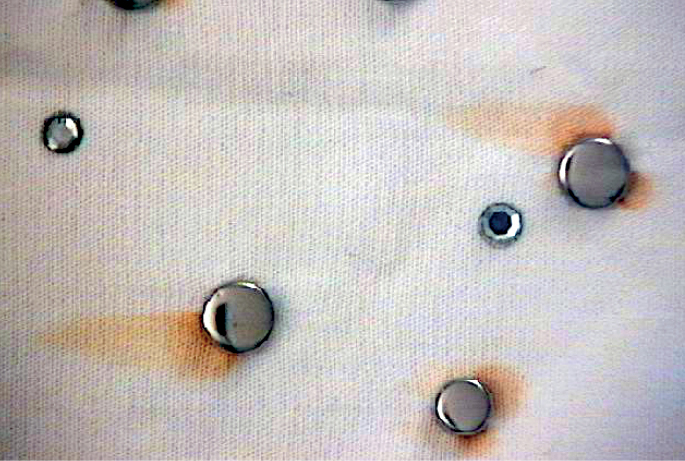
Yellow/brown colour stains can be caused by iron residues originating from the steam condensation of the iron as well as from rusty pipes. Normally, iron is found in the water as iron salts (Fe++/ferrous salts), which are soluble and imperceptible; when in contact with chlorine or oxygen, it transforms into iron salts Fe+++ (ferric salts) that is deposited on the fabric.
Max. dose 0,1 mg/l = 0,1 ppm
Which kind of treatment can be used to prevent the formation of this type of stains?
– for small quantities: use soaps containing complexing agents;
– for large quantities: carry out a filtration or an iron removal treatment.
Manganese is less common than iron but it causes the same problems, with a maximum allowable dose of 0,05 mg/l. The treatment is the same as for the iron, but manganese is more difficult to remove.


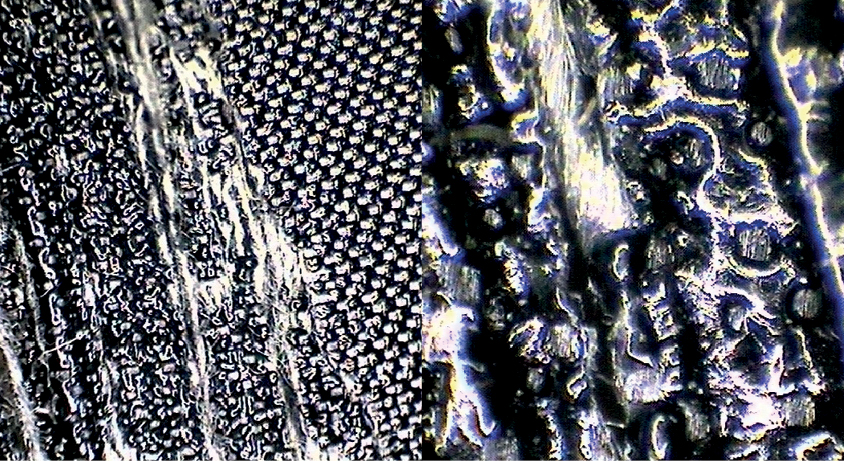

Fusion of fabric made of cotton blend (weft) and microfiber polyester (warp)


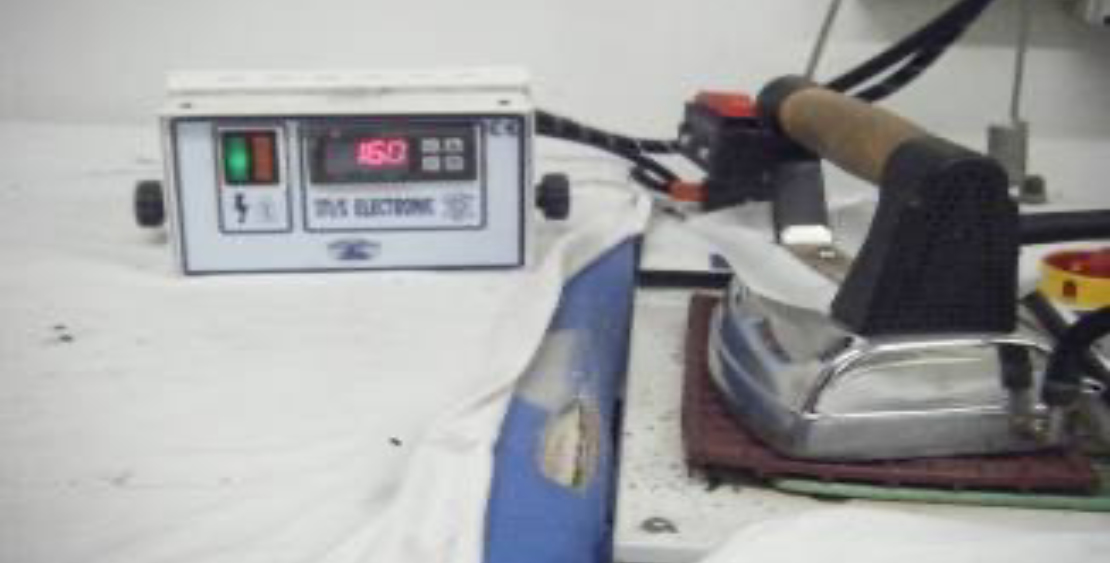
When ironing at 120°C the polyester melts; at the slightest stress when the garment is worn, the melted fibres break and tear causing a rupture in the direction of the weft. It is therefore necessary to set and control the right temperature of the iron as shown in the picture below:
Prevention
In the case of compositions with 85% cotton or linen and 15- 20% polyester or ny-lon, since nylon or polyester are always in the warp, the nylon and polyester threads can only be microfibers and therefore easy to melt. The temperature of the iron should not exceed 110°C, and it is recommended to use a cloth in between. In case of any doubts, do not iron.
Loss of pleating on silk fabrics
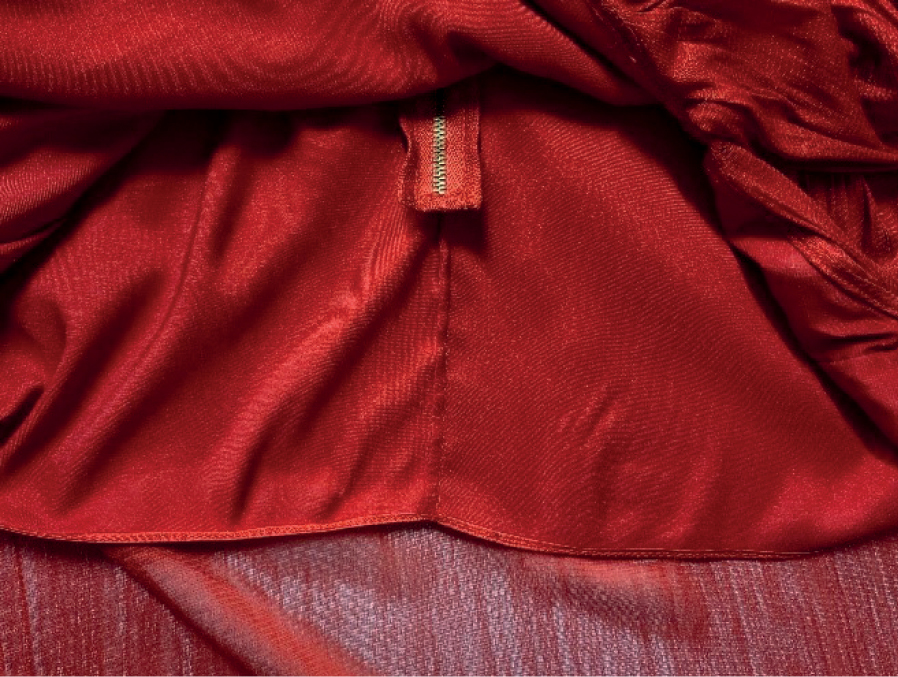 When it comes to silk, the pleating is not permanent, same like in the case of nylon and polyester (fusible fibres); even light moisture is enough to ruin the pleating (for example, during ironing). The laundry cannot be made responsible for this fault. Moreover, the care label allows for gentle water washing, process that would have caused the pleating to disappear completely.
Stains caused by adhesive degradation
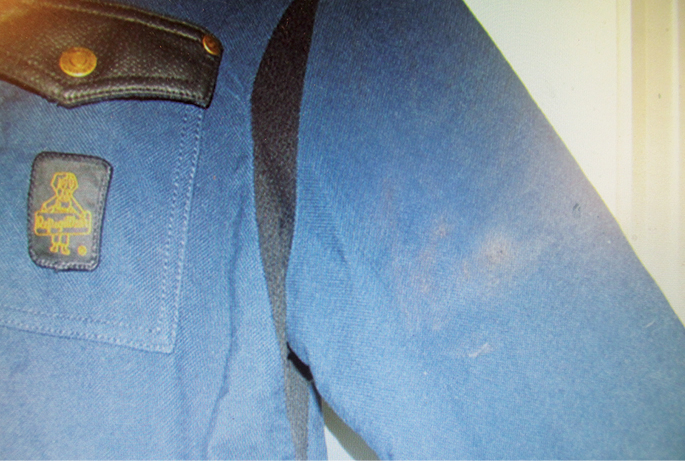
The customer complains of the presence of a whitish stain in the centre of a degraded area with an iron-shaped outline after washing, as shown in the photo:
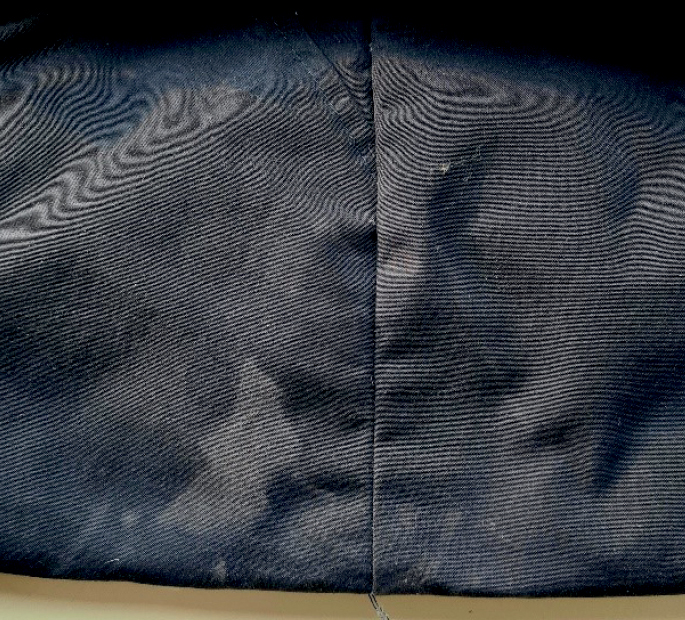

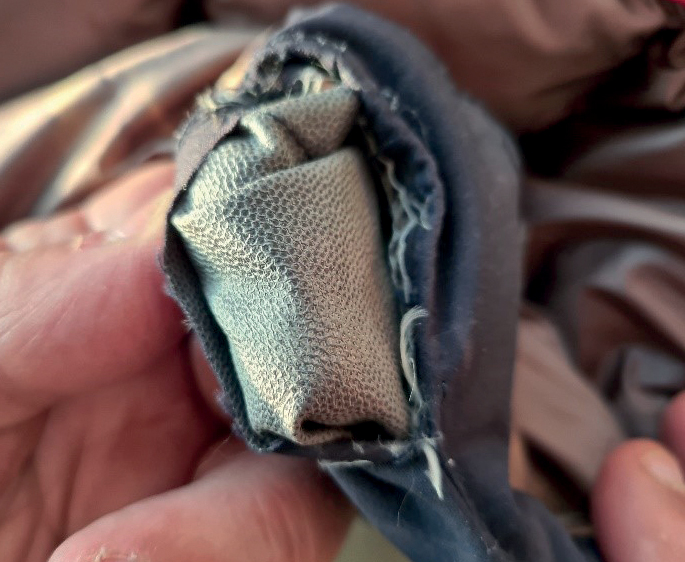
The defect was caused by the contact with the iron, which led to the degradation of the outer fabric and the lining, and the formation of a light stain caused by the leakage of the internal adhesive.
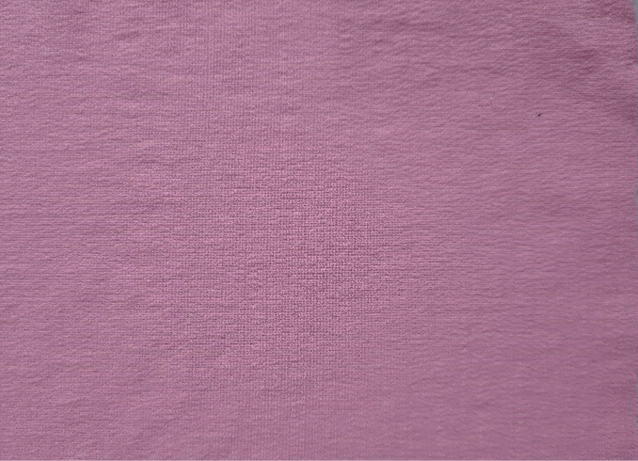
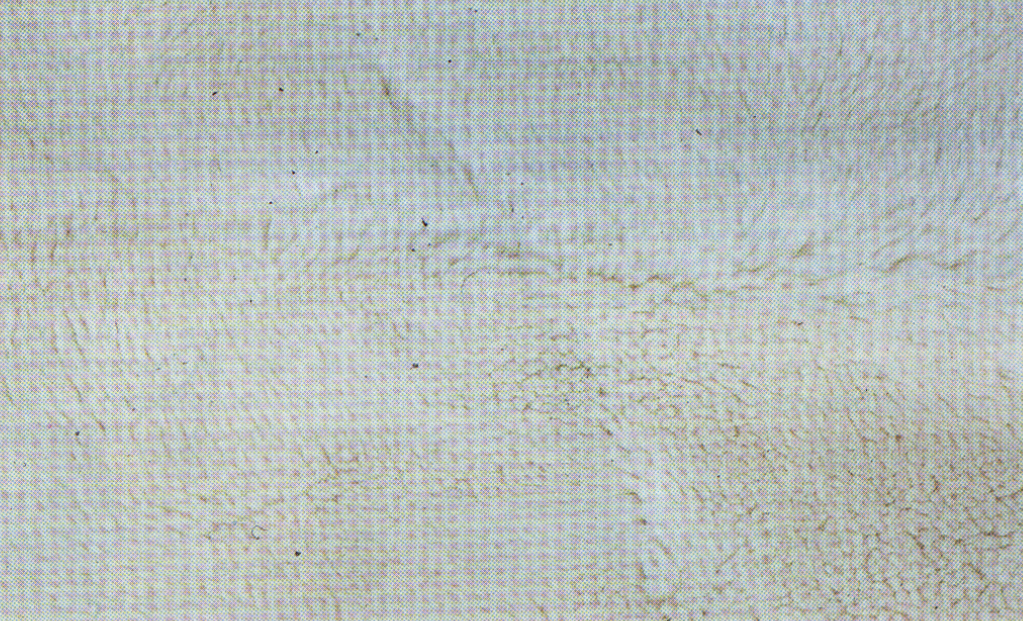
Wildman fabric in synthetic acrylic or modacrylic pile
The garment should be dry-cleaned and not ironed. •
LART Laboratorio Analisi e Ricerca Tessile Textile Research and Analysis Laboratory
Via Vasco de Gama 2 – 41012 Carpi (MO)
T. 059 645279
lart@lartessile.it – www.lartessile.it
di by ING. VITTORIO CIANCI
Direttore LART – Laboratorio Analisi e Ricerca Tessile
DETERGO Magazine # December 2024